Unraveling the myths surrounding casino gambling
Understanding the allure of casino gambling
The allure of casino gambling has fascinated many, drawing individuals to lavish establishments filled with the sounds of slot machines and the excitement of table games. This attraction often stems from a blend of entertainment, social interaction, and the tantalizing possibility of winning money, which can also be found at the best online casino nz where players can enjoy similar thrills from the comfort of their homes. Many people view casinos as an escape from everyday life, offering a sense of thrill and adventure that is hard to replicate in other settings. The vibrant atmosphere, with its dazzling lights and exhilarating music, creates an immersive experience that keeps patrons coming back for more.
However, it’s essential to recognize that the excitement of gambling is accompanied by risks and misconceptions. Some believe that visiting a casino guarantees a chance to strike it rich, leading to overly optimistic expectations. This myth overlooks the fundamental nature of gambling, which is designed to favor the house over time. With this understanding, players can better appreciate the entertainment value of gambling without succumbing to the delusion of easy wealth.
Moreover, the perception of casinos as purely places for gambling is evolving. Many modern casinos have expanded their offerings to include fine dining, concerts, and luxury accommodations, redefining the gambling experience. This shift indicates that while the thrill of chance is at the core of gambling, casinos are also becoming multifaceted entertainment venues that cater to a broader audience, highlighting the need to separate the myths from the realities of gambling culture.
Common myths about winning strategies
One of the most pervasive myths surrounding casino gambling is the belief that there are foolproof strategies to guarantee a win. Many gamblers cling to the idea that they can devise a system or technique that will consistently deliver winning outcomes, often fueled by anecdotal success stories. This myth is particularly prevalent in games relying on chance, like slots or roulette, where outcomes are determined by random number generators or spins rather than skill or strategy. The allure of these supposed “winning systems” can lead to a false sense of security among players.
In reality, the odds are structured to favor the casino, which means that no strategy can overcome the house edge in the long run. While there are strategies that can help players manage their money or optimize their gameplay in games like poker or blackjack, these are based on skill and probability rather than a guaranteed route to success. Understanding the mathematical principles that govern these games can temper expectations and help players approach gambling with a more realistic mindset. Knowledge of odds and probabilities is crucial in making informed decisions.

Furthermore, accepting that luck plays a significant role in gambling can prevent frustration and disappointment. Gamblers should focus on their enjoyment of the games rather than fixating on the outcome. By embracing the inherent unpredictability of casino games, players can foster a healthier relationship with gambling, viewing it as a source of entertainment rather than a reliable means of income. Recognizing the role of chance can also encourage players to set limits, ensuring that their gambling experiences remain enjoyable and within their means.
The impact of gambling on personal finances
Another common myth is that gambling is an effective way to improve one’s financial situation. This misconception often leads individuals to view gambling as a viable financial strategy or a quick way to solve financial problems. The allure of winning big can create a false sense of confidence, prompting some to wager larger amounts without considering the potential consequences of their actions. This dangerous mindset can lead to significant financial distress.
In reality, the vast majority of gamblers will experience losses over time, which can lead to severe financial consequences if not managed properly. Those who gamble with the hope of achieving financial stability may find themselves in a cycle of overspending and debt. Recognizing this risk is essential for anyone considering gambling, as it emphasizes the importance of setting budgets and adhering to strict financial limits. Establishing a clear budget can help mitigate the temptation to chase losses.
To mitigate the risk of financial loss, individuals should approach gambling as a discretionary expense rather than a source of income. Education about responsible gambling practices can further empower players to make informed decisions about their activities. By understanding the financial implications of gambling and prioritizing entertainment over profit, individuals can enjoy their experiences without jeopardizing their economic well-being. This mindset can foster a more positive outlook on gambling, focusing on the fun rather than financial gain.
Social stigma and misconceptions about gamblers
The social stigma surrounding gambling often perpetuates misconceptions about who gamblers are and their motivations. Many people erroneously associate gambling with irresponsible behavior and addiction, leading to negative stereotypes that fail to capture the diversity of individuals who engage in gambling. In reality, not all gamblers fit the mold of the reckless player; many are responsible individuals who enjoy gambling recreationally and in moderation. This diversity is often overlooked in discussions about gambling culture.
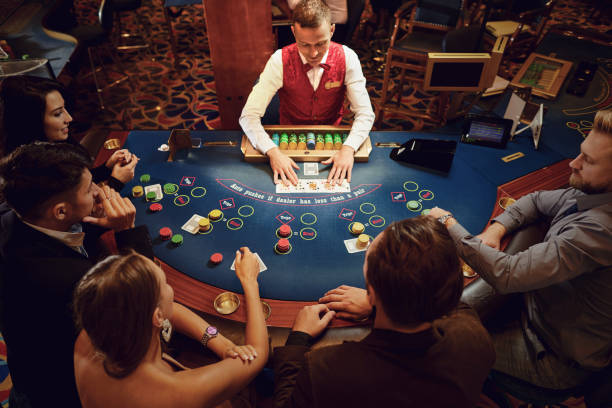
Moreover, the narrative surrounding gambling addiction can obscure the reality that most people gamble without developing addictive behaviors. While it is crucial to recognize that gambling can lead to harmful consequences for some, it is equally important to understand that the majority engage in this activity as a form of entertainment. By challenging these stereotypes and promoting a more balanced view of gambling, society can foster a healthier dialogue about the risks and benefits of this form of entertainment. Education and open discussions are vital in changing perceptions.
In recent years, there has been a growing movement to address these misconceptions and promote responsible gambling practices. Educational programs and resources are increasingly available to help individuals better understand their relationship with gambling and encourage healthy habits. By collaborating with gaming establishments to implement responsible gambling initiatives, the industry can work towards dispelling myths and fostering an environment that prioritizes the well-being of its patrons. This proactive approach can help reshape the public’s perception of gambling.
Discovering more about responsible gambling
For those interested in learning more about responsible gambling, various resources and organizations are dedicated to providing information and support. Many casinos and gaming establishments have implemented responsible gambling programs that offer educational materials and tools to help individuals make informed decisions. These initiatives aim to promote awareness of gambling-related risks and provide strategies for managing gambling behaviors. This support is crucial for fostering a safe gambling environment.
Additionally, websites and online platforms focused on gambling education can serve as crucial resources. They often offer valuable insights into game mechanics, odds, bankroll management, and tips for maintaining a healthy gambling lifestyle. By accessing these resources, players can enhance their understanding of gambling and its implications, empowering them to engage more responsibly in their gaming activities. The availability of such information can significantly influence a gambler’s approach to gaming.
Understanding these resources is pivotal for anyone who participates in gambling, whether casually or more frequently. By prioritizing education and responsible behavior, individuals can enjoy the thrill of casino gambling while minimizing the associated risks. Ultimately, this balanced approach can contribute to a more positive and responsible gambling culture. By fostering awareness and providing support, the gambling community can help ensure that players have enjoyable and safe experiences.