Exploring the psychology behind casino design
The allure of design and atmosphere
The design of a casino is meticulously crafted to create an atmosphere that entices patrons to stay longer and spend more. Elements such as color, light, and sound work together to stimulate emotions and enhance the overall experience. Bright colors like red and gold are commonly employed to evoke feelings of excitement and luxury, while strategic lighting can create a sense of warmth and intimacy. This combination can have a profound psychological effect, encouraging players to let down their guard and indulge in the thrill of gambling at a fast payout online casino where the excitement continues well into the night. The choice of materials and furnishings also contributes to this effect, as plush carpets and comfortable seating invite patrons to linger and enjoy their time within the establishment.
Sound design is equally important in the psychology of casino design. The subtle sounds of coins clinking, the melodic jingles of slot machines, and the background music all contribute to a sensory experience that keeps players engaged. Research has shown that specific sound patterns can increase a person’s heart rate and arousal levels, heightening their excitement. By continuously reinforcing this stimulating environment, casinos create a cycle where players become more invested in the experience, often leading to extended periods of play. Additionally, the use of sound can mask distractions from outside the casino, further immersing players in their gaming experience.
The layout of a casino also plays a crucial role in its allure. Many casinos are designed without windows or clocks, disorienting players and creating an environment where time seems to stand still. This deliberate choice enhances the feeling of escapism, drawing players deeper into the gaming experience. By manipulating the spatial dynamics of the space, casinos foster a sense of comfort and familiarity, allowing patrons to lose track of time and enjoy their gaming endeavors without interruption. Furthermore, the strategic placement of high-stakes games near popular attractions can guide players to explore different areas of the casino, leading to increased engagement and spending.
Psychological triggers in gaming
One of the most intriguing aspects of casino design is its ability to tap into cognitive biases and psychological triggers that affect decision-making. Casinos often employ the principle of “near-miss” scenarios, where players come tantalizingly close to winning. This phenomenon creates a false sense of hope and encourages continued play. For example, if a player spins the reels of a slot machine and sees two matching symbols followed by a non-matching symbol, they may feel that victory is just within reach, prompting them to play again in hopes of achieving success. This design element plays on the human tendency to chase after perceived opportunities, compelling players to invest more time and money in their endeavors.
Additionally, the concept of loss aversion plays a significant role in gambling psychology. Players are generally more motivated to avoid losses than to seek gains, which can lead to risky behaviors in pursuit of recovering lost amounts. Casinos leverage this by creating environments—such as compounding bets or offering enticing promotions—that trigger a sense of urgency and encourage more betting. Understanding these psychological principles allows casinos to design experiences that keep players engaged even when they are losing, thereby increasing their overall expenditure. The more a player feels the need to recover losses, the more likely they are to gamble in attempts to regain control over their financial situation.
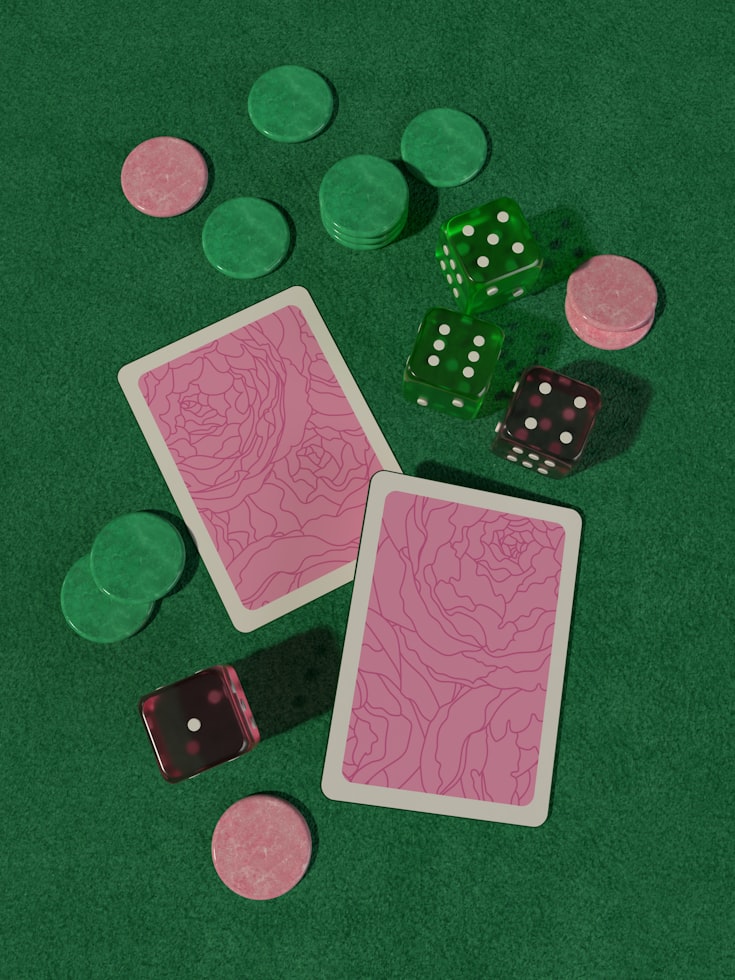
The design of rewards and incentives further capitalizes on psychological triggers. Loyalty programs and rewards systems are strategically structured to encourage frequent visits and cultivate a sense of belonging. By promising players points or rewards based on their spending, casinos create a powerful psychological motivation to return. This is enhanced through visual cues and signage throughout the casino, constantly reminding players of potential rewards and achievements, which in turn drives their behavior and influences their spending habits. The integration of gamification elements into these programs can also deepen engagement, making players feel like they are part of an ongoing adventure rather than merely participating in transactions.
Social interactions and community atmosphere
Casinos are often designed to promote social interactions among players, fostering a sense of community that enhances the gaming experience. Layouts that encourage engagement, such as communal gaming tables or bar areas, are instrumental in creating a vibrant atmosphere. Studies have shown that socializing while gambling not only heightens enjoyment but also increases the likelihood of longer play sessions. Players often feel more invested in their experience when they share it with others, leading to an environment where camaraderie grows alongside competition. This social aspect can be critical, as it turns individual gambling into a shared experience that invites conversation and connection.
Furthermore, social proof is a powerful psychological factor at work in casino design. When players witness others winning, they are more likely to join in and participate. This phenomenon can be seen at high-stakes tables or popular slot areas, where clusters of players gather to observe and cheer on those winning. The design of the space often emphasizes these social hotspots, creating a sense of excitement that draws more patrons in. By fostering an environment of communal support and shared experiences, casinos can effectively increase foot traffic and participation. The visibility of winners and the celebratory nature of these interactions enhance the overall allure of gaming.
Many casinos also host events and entertainment to further enrich the social dynamics. From live music to themed parties, these elements serve not only to enhance the overall atmosphere but also to create memorable experiences that encourage repeat visits. When players associate a casino with fun social outings, it reinforces their desire to return, thereby contributing to the establishment’s long-term success. The strategic incorporation of social experiences into casino design is crucial for nurturing the bond between the establishment and its patrons. By providing spaces that encourage socializing, casinos become more than just places to gamble; they transform into social hubs.
The role of branding and identity
Branding plays a pivotal role in casino design, as the visual identity of a casino must resonate with its target audience. From the exterior architecture to the interior decor, every element is tailored to convey an image that aligns with the desired guest experience. High-end casinos may opt for opulent decor, intricate designs, and upscale furnishings to attract a wealthier clientele, while others may adopt a more casual and relaxed atmosphere to appeal to a broader audience. This distinction underscores the importance of a cohesive brand strategy in casino design, as the ambiance must reflect the core values and image of the brand.
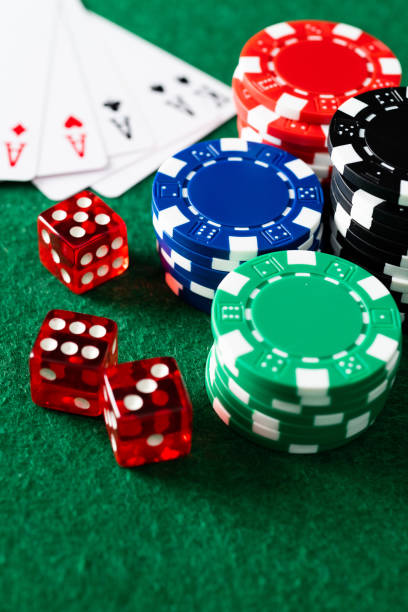
Memorable branding can also influence a player’s emotional connection with a casino. Familiar logos and recognizable color schemes create a sense of comfort and loyalty, encouraging patrons to choose one establishment over another. By strategically incorporating brand elements throughout the casino’s design, owners can create an immersive experience that reinforces brand identity and contributes to a sense of belonging among players. The consistency of branding elements throughout the casino, from signage to staff uniforms, further solidifies this relationship, ensuring that patrons feel a strong connection to the brand.
Additionally, the experience offered by a casino is integral to its brand identity. Casinos that prioritize customer service, unique games, and exceptional amenities establish themselves as destinations, thus enhancing their reputation. Guests are more likely to return to a casino that provides reliable, high-quality experiences. This connection between brand perception and player behavior highlights the psychological importance of maintaining a strong brand identity throughout the design process. Ultimately, ensuring that every aspect of the casino aligns with its branding strategy is essential for fostering customer loyalty and maximizing profitability.
Understanding the impact of design on player behavior
The intricate relationship between casino design and player behavior is a critical area of exploration for both developers and operators. Research in environmental psychology indicates that the atmosphere of a casino can significantly influence patrons’ gambling habits and spending patterns. The blend of colors, sounds, and spatial arrangements can create varying feelings of excitement, relaxation, or anxiety, all of which can affect how long a guest chooses to stay and how much they are willing to spend. By understanding these environmental cues, casinos can tailor their designs to enhance player experiences.
Understanding player behavior through design allows casinos to tailor their environments to maximize engagement and profitability. For example, casinos may use warmer lighting and comfortable seating to create a relaxed environment that encourages longer play. In contrast, areas designed for high-energy games might incorporate brighter lighting and fast-paced music to create a sense of urgency and excitement. These design choices directly impact player decisions, as they influence mood and comfort levels, ultimately dictating the amount of time and money spent. The careful orchestration of these elements is vital for sustaining player interest.
Finally, ongoing analysis of player behavior also informs future design strategies. By gathering data on player preferences and interactions within the casino, operators can continuously refine their offerings and space layouts. Utilizing technology to track player habits, such as the most frequented game areas or peak times of engagement, allows casinos to optimize their design and marketing strategies effectively. This data-driven approach not only enhances the player experience but also ensures that the casino remains competitive and appealing in a rapidly evolving industry. By adapting to player feedback and behavioral trends, casinos can maintain their relevance and appeal.